01 / COLOUR
Matt, satin and gloss
Solid colours can create a calm neutral scheme or a stronger contrast. Compare sheen levels and sample finishes rather than relying on a screen image.
 Plan your project
Rethink the colour and texture of your kitchen without automatically replacing the cabinets. Kitchen wrapping applies decorative film to suitable existing doors, drawer fronts and panels. Explore finishes, understand the limits and plan a makeover around what already works.
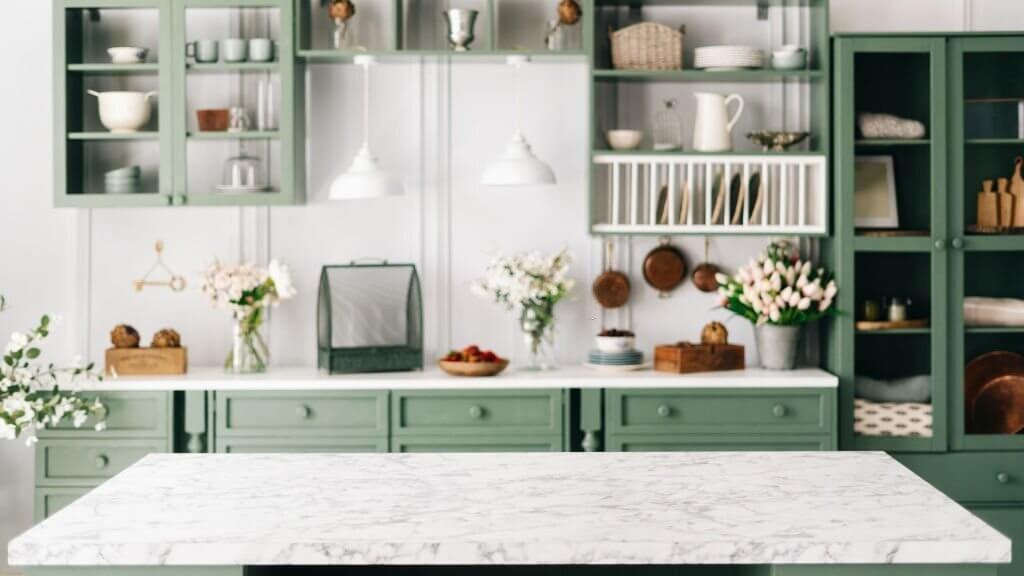 FINISH INSPIRATION · NOT A COMPLETED WRAP
The right film starts with a suitable surface and a carefully finished edge.
Could wrapping suit your kitchen? ↗Kitchen vinyl wrapping covers existing surfaces with an adhesive decorative film. Rather than applying a painted coating, the installer bonds and finishes the selected film over compatible fronts or panels.
The cabinet structure and layout stay in place. That makes kitchen cupboard wrapping worth exploring if you like how the room works but want a different appearance. It will not solve damaged units, poor storage or an awkward layout.
Units need to be stable and suitable for the chosen film. Swelling, grease, loose coatings and existing peeling laminate must be assessed before installation.
Flat fronts, curves and decorative profiles present different challenges. Ask whether the installer can follow your particular door shape and how corners and recesses will be finished.
Doors alone may leave a contrasting cabinet edge, end panel or plinth. Decide what stays visible and whether it should match before comparing quotes.
Look at a physical sample in your own kitchen. Check colour, texture and reflection alongside the surfaces you plan to keep.
Solid colours can create a calm neutral scheme or a stronger contrast. Compare sheen levels and sample finishes rather than relying on a screen image.
A timber-inspired pattern introduces visual warmth. Check the grain direction, repeat and joins, particularly across adjacent doors and larger panels.
Decorative films can suggest stone or other materials. The visual effect does not give a film the same heat, scratch or wear properties as the material it resembles.
These are finish ideas, not a Kitchen Magician product range. Ask your installer to confirm the exact film, intended application and care requirements.
Kitchen door wrapping often includes cupboard fronts and drawer fronts. End panels, plinths and island panels may also be considered when their shape, condition and location suit the product.
Do not assume the same film is appropriate everywhere. A cabinet face, a worktop and a splashback have different demands, especially around cooking, water and everyday wear.
Confirm whether backs, edges and handle areas are included. Ask where any seams or film terminations will sit and how the fronts will be refitted.
Include exposed ends, filler pieces and trims in the survey. Their condition may differ from the doors, and a consistent finish needs a coordinated plan.
Request a separate suitability check and an appropriate product specification. Confirm limitations around sinks, hobs, appliances, heat and food preparation before agreeing to cover these surfaces.
Installation methods depend on the film and substrate. A clear proposal should explain the work at each stage.
Assess the existing surfaces, choose samples and agree the precise doors, panels and other items to include.
Plan any removal, repairs, cleaning and preparation needed for a reliable bond. Loose or failing finishes need attention first.
The installer applies the specified film and completes edges, corners and joins using the product’s installation requirements.
Review alignment, coverage and the agreed details. Obtain written advice on early use, cleaning and any warranty.
Discuss areas near ovens, hobs, kettles, dishwashers and sinks at the survey. Suitable products, appliance clearances and edge details matter. Do not assume a decorative wrap is heatproof or a waterproof repair.
Kitchen wrapping cost depends on the quantity of surfaces, their condition, the film specification and installation detail. A simple door-front refresh and a project including an island or worktop are different jobs.
Request an itemised price for the same scope from each installer. Keeping suitable cabinets can reduce replacement work, but repairs, extras and finish choices determine whether wrapping offers value for your project.
Prepare your wrapping brief ↗Count doors and drawer fronts, include large panels and identify damage. Detailed profiles, repairs and old-film removal can affect the work involved.
Ask for the film manufacturer and product reference, the surfaces covered and any excluded areas. Clarify whether backs, edges and trims are included.
Check removal, refitting, handle changes, access, transport, waste disposal and VAT. Agree how additional preparation would be approved and priced.
Each route changes something different. Start with your cabinet condition and the result you want.
| Option | What changes | Key checks |
|---|---|---|
| Kitchen wrapping | A decorative film changes the finish on suitable existing surfaces. | Adhesion, profiles, edge finishing, heat exposure and intended application. |
| Cabinet respraying | A new coating changes the colour and sheen of suitable fronts. | Preparation, coating compatibility, curing and aftercare. |
| Replacement doors | New fronts can change the door profile as well as the finish. | Cabinet condition, measurements, hinges and matching panels. |
| Full renovation | A broader project can change the units, layout and installation. | Design, scope, building services, budget and disruption. |
Practical answers about suitability, care and the limits of a vinyl makeover.
A failing surface needs assessment before any new film is applied. The existing coating may need removal, and damaged material underneath may need repair or replacement. Wrapping over a loose finish does not create a sound foundation.
There is no single lifespan for every kitchen. Product choice, preparation, installation, heat exposure and care all matter. Ask about the expected performance for your application and the scope of any product and workmanship warranties.
Removal results vary with the film, adhesive, preparation and original surface. Some products are not designed for clean removal. Do not assume the kitchen will return to its original condition; discuss removal and possible damage before committing.
Only consider it after checking the product is suitable for that specific application. Confirm use and care limits, joints and sink details. Follow the specified protection measures rather than placing hot cookware or cutting directly on the film.
Follow the manufacturer’s instructions for the exact film. A soft cloth and a compatible mild cleaner may be appropriate; avoid abrasive pads and unapproved chemicals. Ask how to manage spills, edges and any signs of lifting.
Timing depends on the surface area, preparation and installation detail. Ask when doors will be removed, what access is needed, when the kitchen can be used and whether follow-up work is included.
No. We provide planning information and are developing an introduction service for independent specialists. Any introduction depends on availability and will be discussed with you first. The installer agrees suitability, scope, price and work directly with you.
Bring together the surfaces you want to change, the look you like and the details an installer will need to assess.
Plan my kitchen wrapSend your enquiry to Kitchen Magician for review. Any specialist introduction will be discussed with you first.